Why Imposter Syndrome Hits Hardest When You're Most Qualified
The most qualified man in the room is often the least confident one in it.
That's not irony. That's imposter syndrome doing exactly what it was designed to do.
And it hits hardest at the worst possible time.
Here's why it happens and what to do about it.
Most men think imposter syndrome is a beginner problem.
It's not.
It shows up most aggressively when the stakes are highest. When you've just taken a bigger role. When you're rebuilding after a major loss. When you finally have the experience to know how much can go wrong.
Beginners don't know enough to be afraid. Experts know exactly what failure looks like.
That knowledge is an asset in most situations. In moments of transition, it can paralyze you.
I worked with an executive who had built and sold two companies. When he started his third, he couldn't make a decision without second-guessing himself for days. He had more relevant experience than anyone in his space. He also had more scar tissue.
He wasn't lacking confidence because he was unqualified.
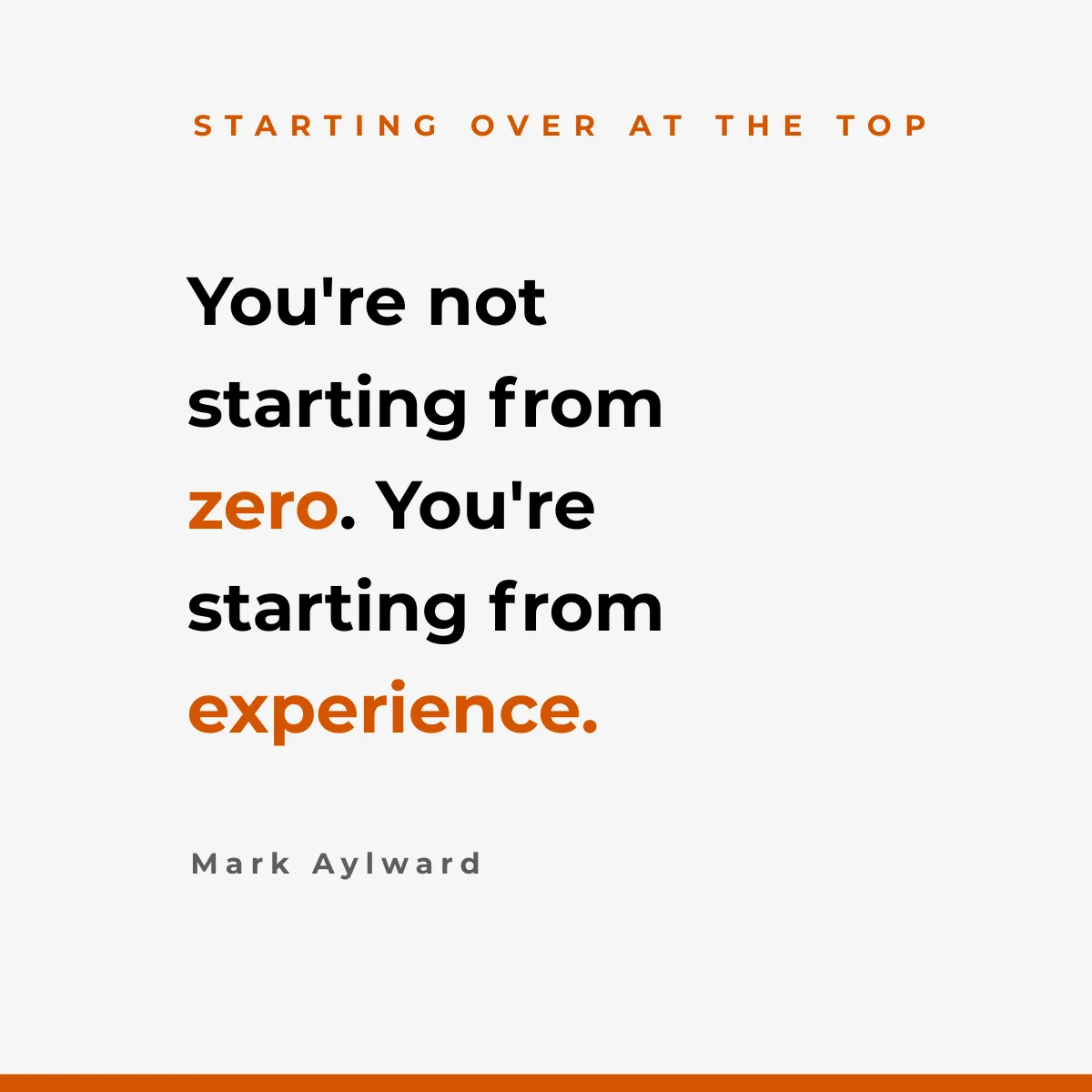
He was lacking confidence because he was carrying every past failure into every new situation.
That's the trap.
Imposter syndrome at this level is not about competence. It's about identity. You're not asking "can I do this?" You're asking "am I still the person who does things like this?"
After a major setback, that question hits different.
The answer, by the way, is yes. But you won't believe that until you separate what happened to you from who you are.
That's the work I do with the R.E.A.L. Framework. We rebuild the foundation so your experience becomes fuel again instead of weight.
If you want to find out where your confidence is leaking, take the free R.E.A.L. Assessment at therealassessment.com. Five minutes. Real answers.
#LeadershipAfterLoss , #StartingOverattheTop